Peer-reviewed
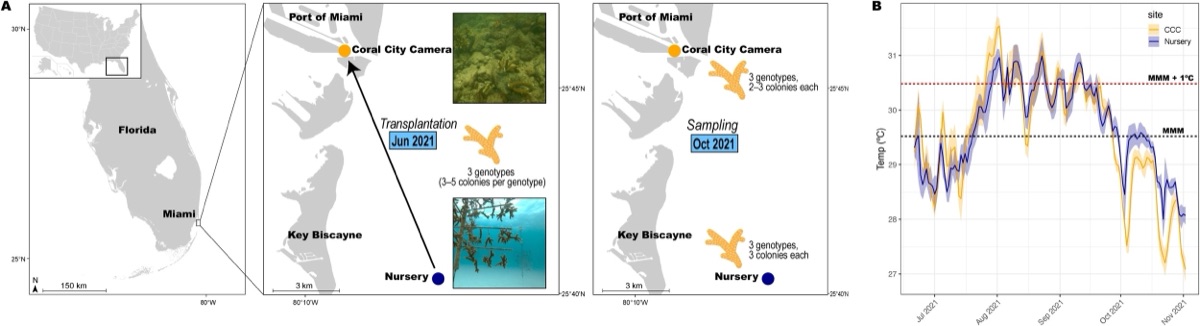
Staghorn coral outplanted from an offshore nursery to the urbanized Port of Miami showed sustained activation of stress- and immune-related genes four months after transplantation, consistent with ongoing acclimatization. Pairing molecular diagnostics with environmental monitoring could refine genotype and site selection for restoration.
DeMerlis A, Foord C, Hesley DJ, Karp RF, Isma LM, Andrade-Rodriguez N, Wong KH, Studivan MS, Jankulak M, Baker AC, Lirman D, Traylor-Knowles N, Enochs IC (2026) Molecular mechanisms of Acropora cervicornis following transplantation to a marginal, nearshore environment. Frontiers in Marine Science. doi:10.3389/fmars.2026.1796814
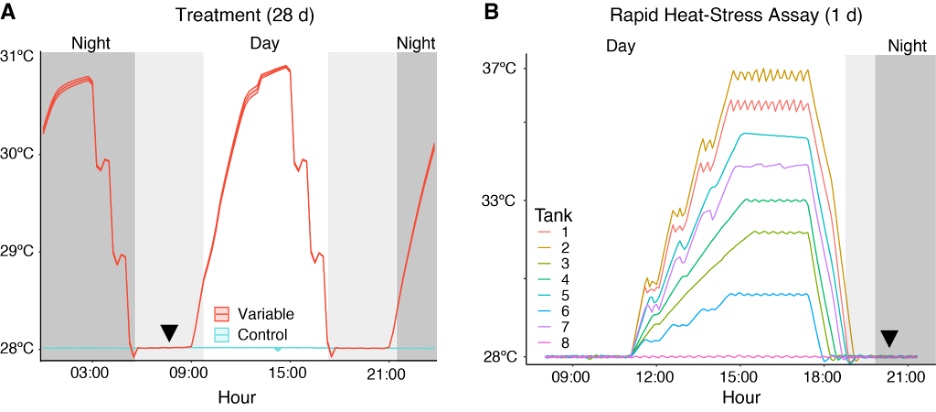
A variable temperature preconditioning treatment changed gene expression far more in staghorn coral (583 genes) than in knobby brain coral (55 genes), including downregulation of key stress-response genes. These species-specific responses mean preconditioning should be tested across more species before it is used at restoration scale.
DeMerlis A, Studivan M, Wong K, Soderberg N, Ehrens D, Isma L, Coscon K, Rosing K, Thomas R, D’Alessandro M, Dvorkin D, Unsworth J, Kiel P, Palacio-Castro A, Lirman D, Baker A, Muller E, Traylor-Knowles N, Enochs IC (2025) Differences in molecular responses to a thermally variable preconditioning treatment for two Caribbean coral species. Ecology and Evolution. doi:10.1002/ece3.72108
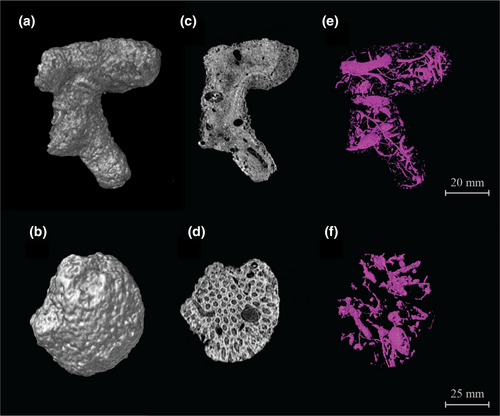
Coral rubble exposed to ocean acidification for 55 days lost carbonate faster, driven by more chemical dissolution and less secondary calcification. Lower-density skeletons were bioeroded faster, a concern because corals build less dense skeletons under acidification.
Webb AE, Palacio-Castro AM, Cooke K, Eaton KR, Chomitz B, Soderberg N, Chakraborty M, Zagon Z, Boyd A, Kiel PM, DeMerlis A, Perry CT, Enochs IC (2024) Rubble persistence under Ocean Acidification threatened by accelerated bioerosion and lower-density coral skeletons. Global Change Biology. doi:10.1111/gcb.17371
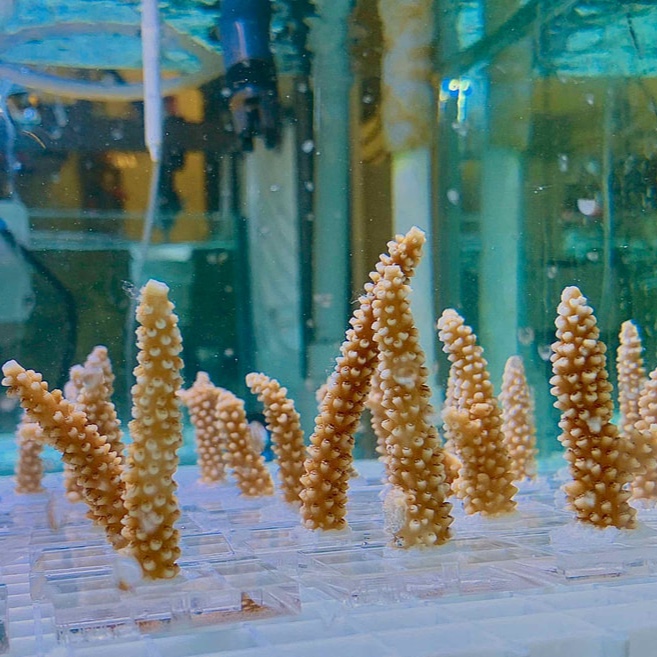
Nursery-raised staghorn coral pre-exposed to a variable temperature regime (oscillating twice daily from 28 to 31 °C) endured heat stress several days longer than untreated corals, supporting thermal variability as a tool for stress-hardening corals for restoration.
DeMerlis A, Kirkland A, Kaufman ML, Mayfield AB, Formel N, Kolodziej G, Manzello DP, Lirman D, Traylor-Knowles N, Enochs IC (2022) Pre-exposure to a variable temperature treatment improves the response of Acropora cervicornis to acute thermal stress. Coral Reefs. doi:10.1007/s00338-022-02232-z
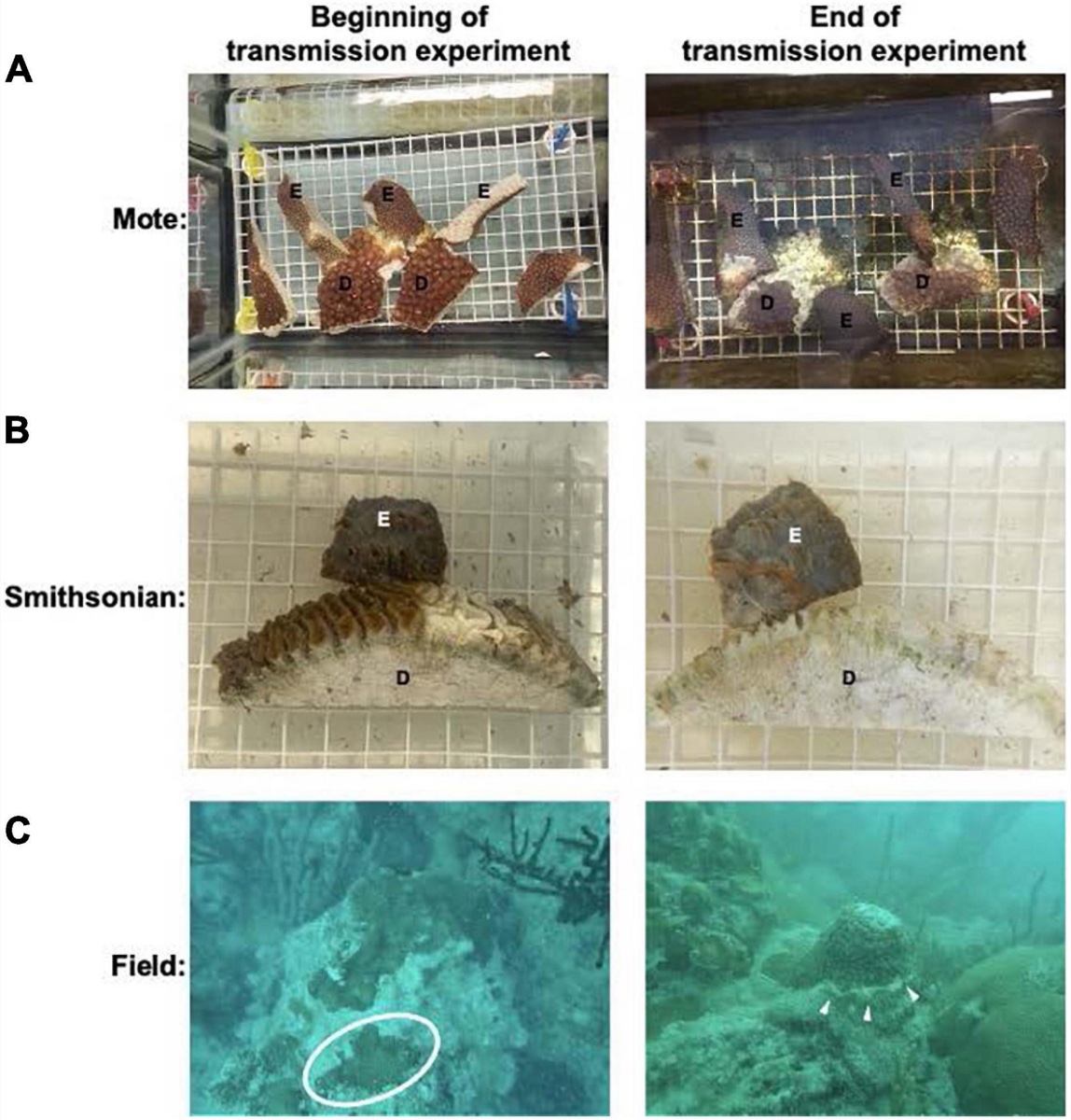
Transcriptomes from three stony coral tissue loss disease (SCTLD) transmission experiments at the Smithsonian Marine Station and Mote Marine Laboratory show that Orbicella faveolata and Montastraea cavernosa mount immune, apoptosis, and tissue-rearrangement responses to SCTLD.
Traylor-Knowles N, Connelly MT, Young BD, Eaton K, Muller EM, Paul VJ, Ushijima B, DeMerlis A, Drown MK, Goncalves A, Kron N, Snyder GA, Martin C, Rodriguez K (2021) Gene expression response to stony coral tissue loss disease transmission in M. cavernosa and O. faveolata from Florida. Frontiers in Marine Science. doi:10.3389/fmars.2021.681563
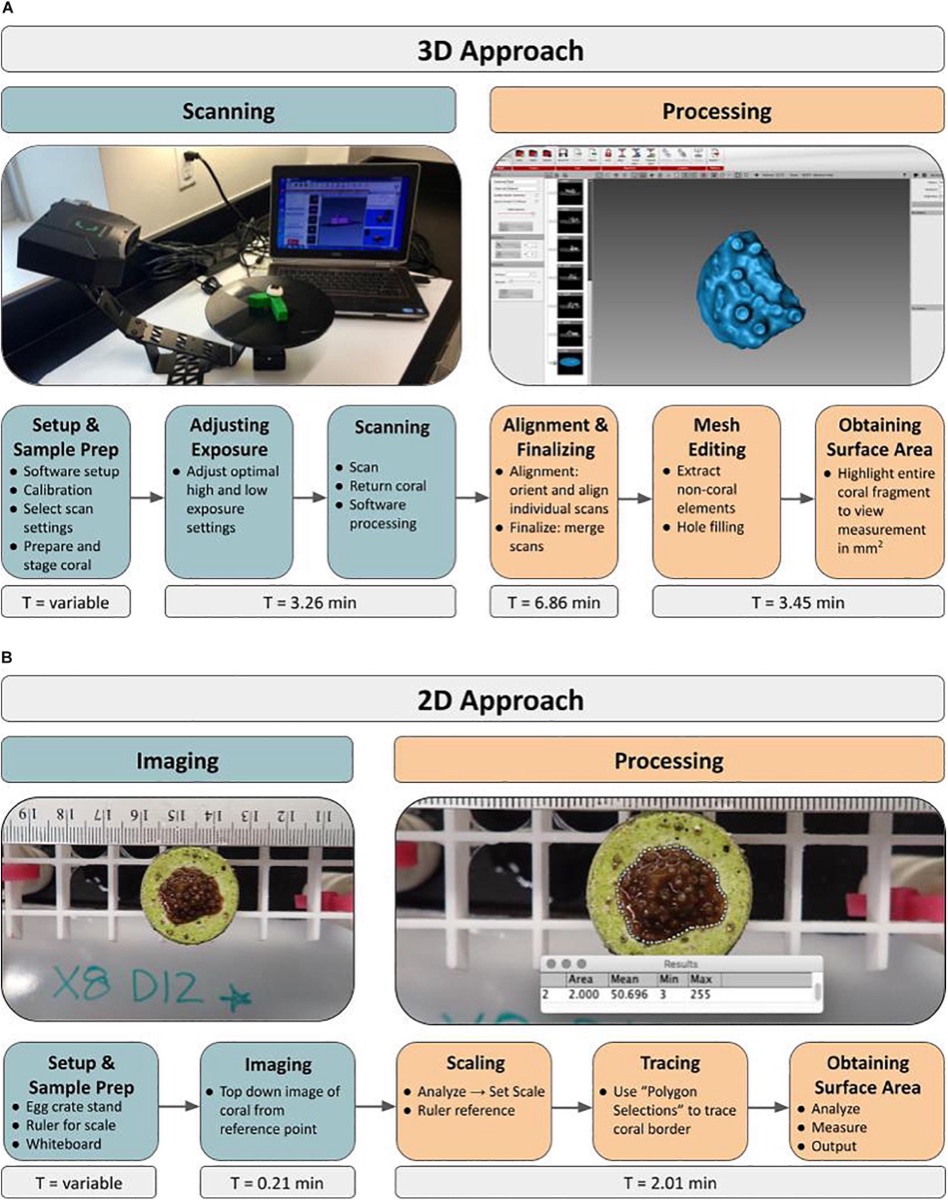
A streamlined workflow uses a structured-light 3D scanner to measure the live tissue surface area of coral microfragments over time. Compared with traditional 2D methods, the 3D approach allows greater standardization across studies, making it a better tool for restoration practitioners.
Koch HR, Wallace B, DeMerlis A, Clark AS, Nowicki RJ (2021) 3D scanning as a tool to measure growth rates of live coral microfragments used for coral reef restoration. Frontiers in Marine Science. doi:10.3389/fmars.2021.623645
In review
Coral predation across multiple gradients: Implications for survivorship and reef restoration
DeMerlis A, McAnally A, Bourque A, D’Alessandro M, Gilliam DS, Muller EM, Parsons KT, Sharp WC, Voss JD, Lirman D (2026) Coral predation across multiple gradients: Implications for survivorship and reef restoration. Scientific Reports, in review.
The secret life of coral predators: Documenting fish corallivory on restored corals in Florida using Coral-Baited Remote Underwater Video Systems (C-BRUVS)
DeMerlis A, Weisman E, D’Alessandro M, Tobias B, Unsworth J, Lirman D (2026) The secret life of coral predators: Documenting fish corallivory on restored corals in Florida using Coral-Baited Remote Underwater Video Systems (C-BRUVS). Bulletin of Marine Science, in review.
The coral innate immune system is activated in the early hours following injury
DeMerlis A, Rodriguez K, Traylor-Knowles N (2026) The coral innate immune system is activated in the early hours following injury. PLOS One, in review.